Coordinating the Lines: Specialized Software for Multi-Bookmaker Data Alignment
Written by Kai Otto · May 16, 2026
Coordinating the Lines: Specialized Software for Multi-Bookmaker Data Alignment
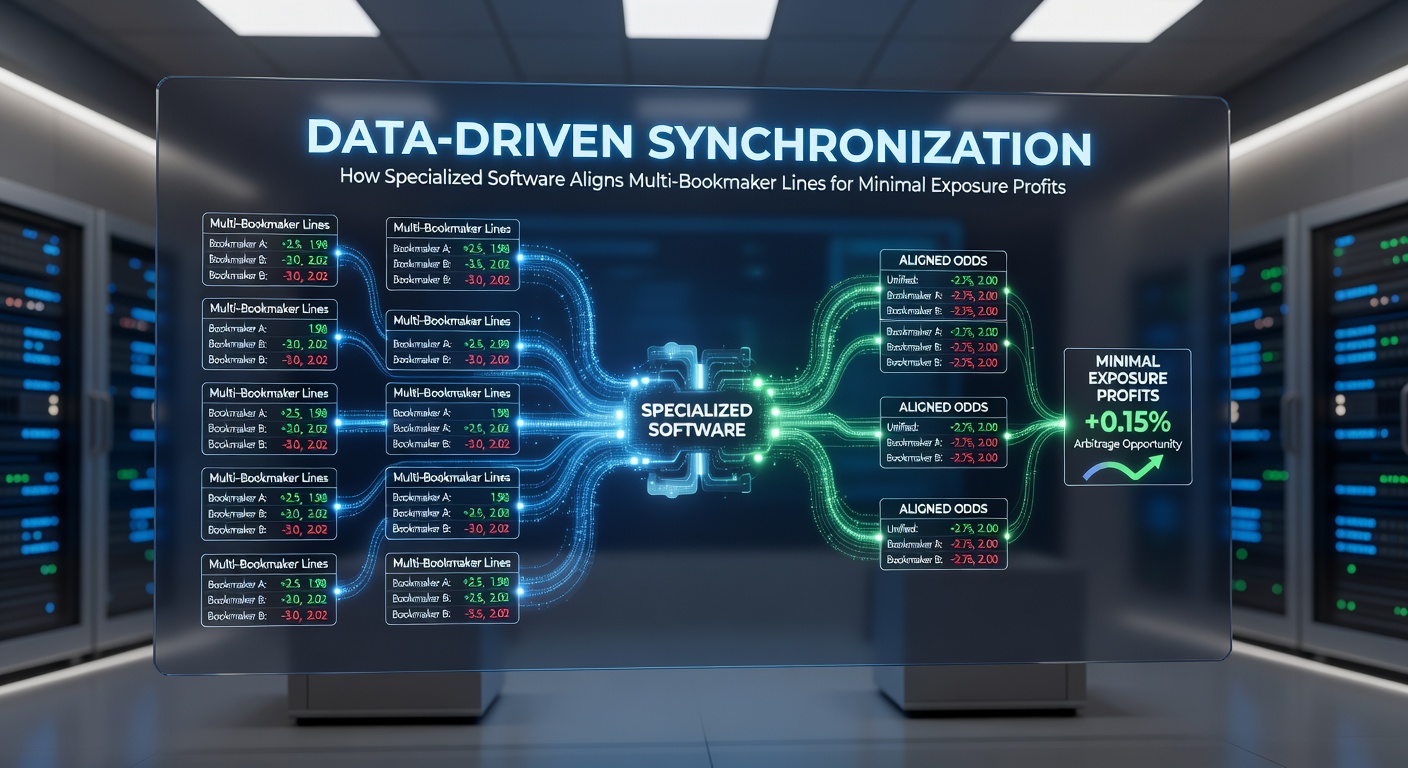
Data-driven synchronization refers to the process by which specialized software collects, compares, and adjusts betting lines across numerous operators in real time, and this approach allows users to identify precise points where exposure stays limited while opportunities for balanced returns appear. Observers note that the technology pulls live data feeds from disparate sources, processes them through algorithms designed to detect minor variances, and then presents coordinated outputs that reflect current market conditions without requiring manual cross-checking.
Core Mechanisms Behind Line Alignment
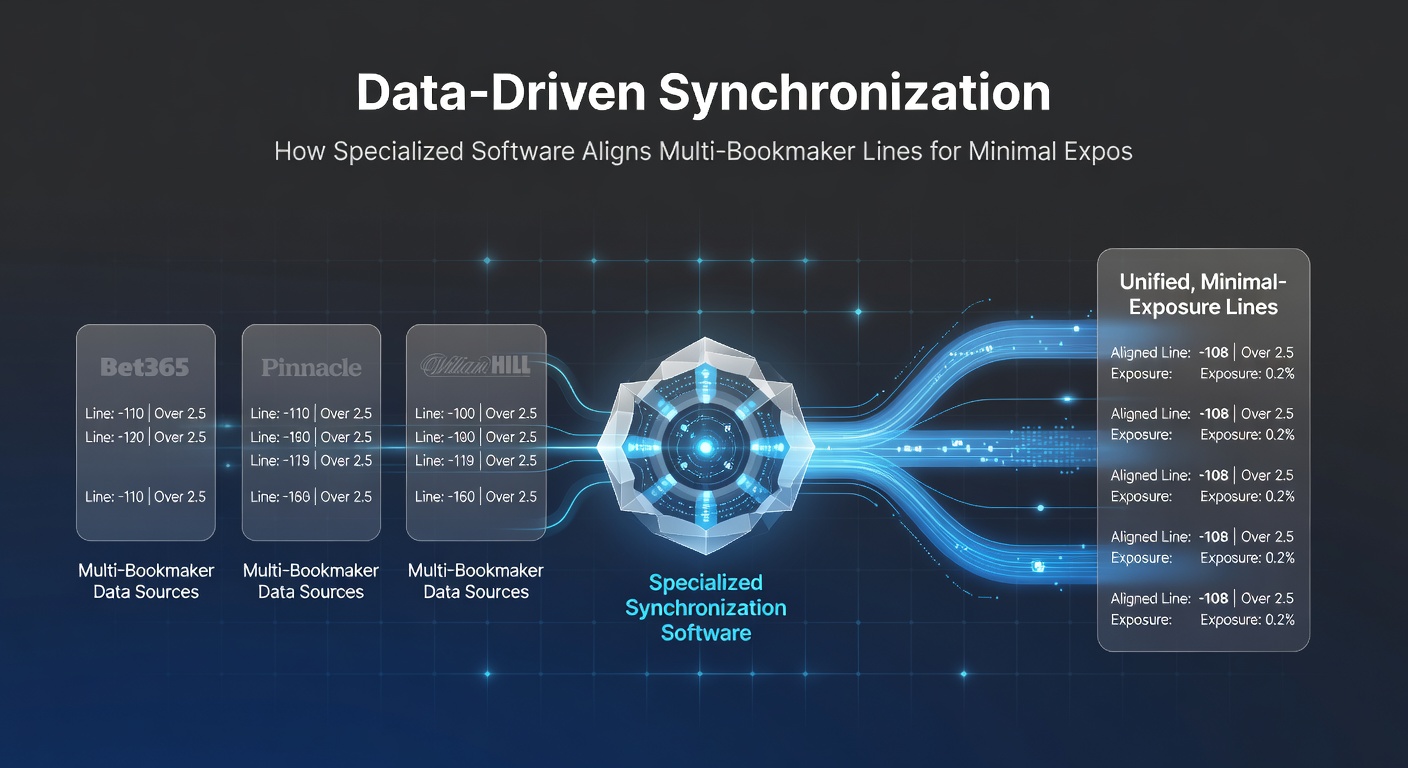
Software platforms operate by establishing direct connections to bookmaker APIs, and these connections pull odds for the same events from multiple providers simultaneously. Algorithms then compare the figures, flag discrepancies that fall within acceptable risk parameters, and generate recommendations for positions that offset potential losses across the set of lines. Researchers at institutions such as the University of Nevada, Las Vegas have documented how such systems reduce the time needed to evaluate divergent markets from hours of manual work down to seconds of automated analysis.
Key components include real-time data ingestion modules, variance detection engines, and exposure calculation tools that run continuously. Data shows that operators who integrate these platforms can maintain tighter control over their overall risk profiles because the software automatically suggests adjustments whenever new information shifts one line while others remain static.
Applications in Multi-Operator Environments
Users deploy the software in settings where several accounts or partnerships exist across different jurisdictions, and the program ensures that every position taken on one platform finds a corresponding offset on another. This coordination proves especially relevant during periods of high market volatility, such as major sporting tournaments, when odds move rapidly and manual tracking becomes impractical. Figures from industry reports indicate that synchronized systems handle thousands of simultaneous events without degradation in accuracy.
One practical example involves tennis matches where set-by-set pricing differs slightly between operators; the software identifies the narrow window where backing one outcome on one site and laying the corresponding amount on another creates a position with minimal net exposure. Those who have implemented these tools report that the process runs in the background, updating suggestions as soon as fresh data arrives from any connected source.
Integration with Regulatory Frameworks
Compliance requirements vary by region, and the software incorporates filters that respect local rules on stake limits and reporting thresholds. Data from the Nevada Gaming Control Board highlights how licensed operators increasingly rely on automated alignment tools to stay within permitted exposure caps while still participating in cross-border markets. The systems log every transaction in formats that simplify audit processes, and this documentation feature reduces administrative overhead for compliance teams.
European operators connected to the European Gaming and Betting Association have adopted similar platforms to manage lines across multiple member states, where currency differences and tax structures add layers of complexity. The software converts all figures into a unified exposure metric, allowing users to see their net position at any moment without converting values manually.
Performance Metrics and Market Trends
Performance data collected over recent seasons shows that platforms using synchronization software maintain lower variance in daily profit-and-loss statements compared with those relying on traditional methods. The reduction occurs because the tools continuously recalibrate positions as lines shift, preventing small drifts from accumulating into larger imbalances. Industry analyses suggest that adoption rates have risen steadily since 2023, driven by the expansion of legal betting markets in North America and parts of Asia.
Technological upgrades continue to refine the speed and scope of these systems, with newer versions incorporating machine-learning models that predict likely line movements based on historical patterns. This predictive layer adds another dimension to exposure management by suggesting preemptive adjustments before discrepancies widen beyond profitable ranges.
Future Developments in Synchronization Technology
Developers continue to expand the number of data sources each platform can monitor, and they are introducing features that allow seamless switching between different betting formats within the same interface. As more jurisdictions finalize licensing frameworks ahead of 2026, the demand for tools that operate consistently across borders is expected to grow. The software already handles time-zone differences and varying event schedules without manual intervention, which positions it well for continued scaling.
Conclusion
Specialized synchronization software has become a standard component in environments where multiple bookmaker lines must be managed together, and its ability to align data in real time supports consistent control over exposure levels. Continued refinement of algorithms and broader regulatory acceptance point toward wider use across global markets in the coming years.