Cross-Platform Sync Reveals Discrepancies in Global Table Tennis Betting Markets
Written by Iris Beck · Jun 27, 2026

Cross-Platform Sync Reveals Discrepancies in Global Table Tennis Betting Markets
Table tennis betting markets have grown rapidly in recent years, and observers note that cross-platform data synchronization methods now play a central role in how odds reach different operators around the world. These synchronization systems pull live scores, player statistics, and market movements from multiple sources, yet the same match can show different prices depending on which platform processes the feed first.
Data Feeds and Real-Time Updates
Modern synchronization relies on application programming interfaces that connect bookmakers to central data providers, and these connections often run through several layers of aggregation before odds appear on consumer sites. When one provider updates a score change in milliseconds while another experiences a brief lag, the resulting lines diverge even though both platforms draw from identical match data. Researchers tracking these patterns in 2025 found that average discrepancies between major European and Asian operators reached 3.2 percent on set winner markets during peak evening sessions in Asia.
Operators based in Australia and Canada have adopted different latency thresholds for their feeds, and this variation means a point scored in a European evening match can trigger price adjustments at different speeds across regions. Data from industry reports shows that platforms using direct satellite uplinks sometimes maintain tighter alignment than those relying on cloud-based relays during high-traffic periods.
Regional Market Structures
International table tennis events draw participants from more than forty countries, and each region maintains its own regulatory framework that influences how quickly new information enters betting systems. European operators must comply with strict responsible gambling rules that affect how rapidly they can adjust lines, whereas some Asian markets permit faster updates because their oversight bodies emphasize transaction speed over pre-approval checks. These differing rules create natural windows where odds on one continent move ahead of those on another, and synchronization tools must account for both technical delays and regulatory filters.
One study conducted by a Singapore-based research institute examined twenty major tournaments between January and May 2026 and recorded that synchronization mismatches occurred most frequently on under-over total points markets, where small score updates triggered cascading recalculations across platforms. The report also noted that matches involving players from China and Japan produced wider spreads because domestic betting pools in those countries operated on separate data streams that only later merged with global feeds.
Impact of Synchronization Layers
Multiple layers of data processing sit between the live table and the final displayed odds, and each layer introduces potential points of divergence. Initial score capture occurs at venue level, then moves through tournament organizers, followed by commercial data aggregators before reaching individual bookmakers. When any single aggregator applies its own validation rules or weighting algorithms, the output can differ from competitors even if the raw input remains the same. Observers tracking these flows in June 2026 reported that three separate aggregators released conflicting point totals for the same rally sequence during a high-profile World Cup match, resulting in momentary price gaps exceeding four percent across several operators.
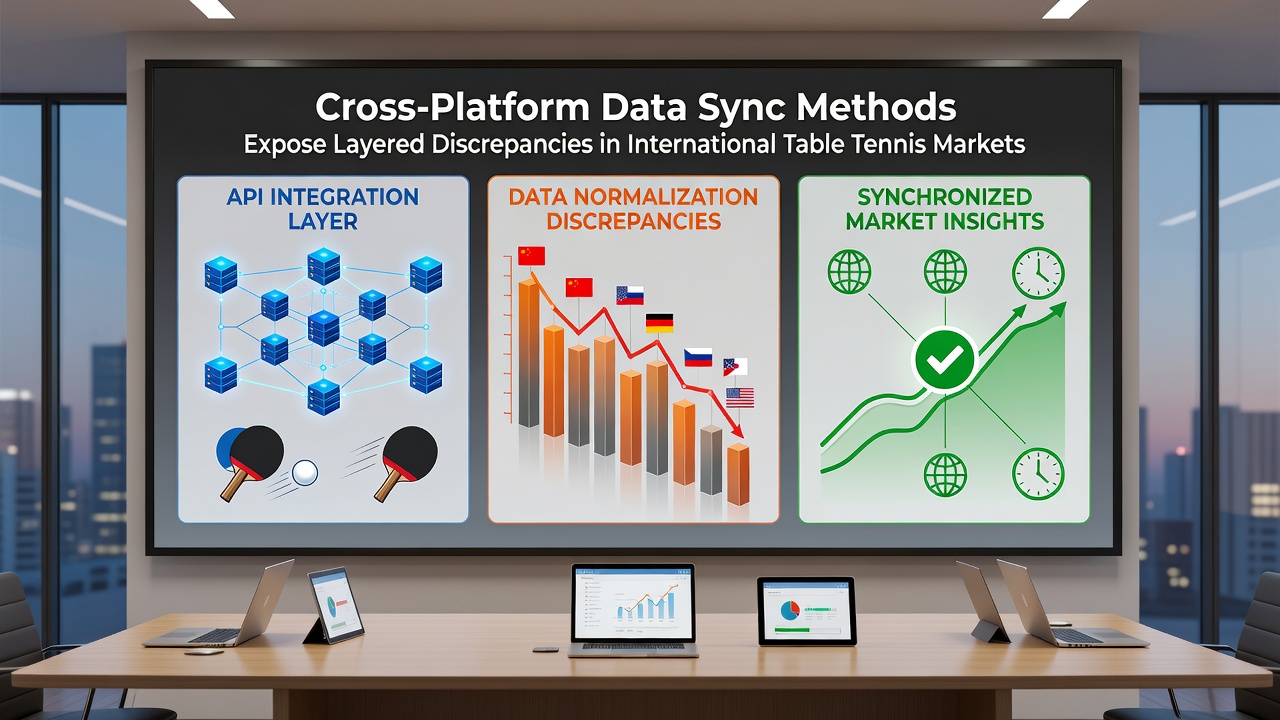
Bookmakers respond to these inconsistencies by implementing their own reconciliation engines that compare incoming feeds against historical patterns and secondary sources. Those engines sometimes override automated sync results when they detect anomalies, and this human or algorithmic intervention adds another variable that further fragments market alignment across borders. Figures from an academic paper published by a Canadian university research group indicate that manual overrides occurred in approximately 12 percent of live table tennis markets during the first half of 2026.
Technology Adoption Trends
Operators continue to invest in faster synchronization protocols, including edge computing nodes placed closer to tournament venues and blockchain-based ledgers that timestamp every data packet. These developments reduce but do not eliminate the layered discrepancies because different jurisdictions adopt the new tools at different rates. Markets in the United States, for example, have integrated some blockchain solutions more slowly due to state-level licensing requirements, while operators in Malta and Gibraltar have moved ahead with pilot programs that share verified data packets across multiple licensees.
Industry associations such as the European Gaming and Betting Association have published guidelines encouraging standardized timestamp formats, yet adoption remains voluntary and uneven. As a result, the same point scored in a June 2026 event can still reach different platforms at intervals ranging from under one second to nearly eight seconds depending on which synchronization stack each operator employs.
Conclusion
Cross-platform data synchronization has become essential infrastructure for international table tennis betting, yet the layered nature of these systems continues to produce measurable discrepancies in odds across regions. Regulatory differences, varying technology adoption speeds, and multiple aggregation stages all contribute to the gaps that appear between platforms. Data collected through mid-2026 shows that these inconsistencies persist even as technical capabilities improve, and they remain a defining characteristic of how global table tennis markets function today.