Currency Volatility Creating Short-Term Arbitrage Opportunities in Foreign Betting Markets
Written by Kai Otto · Jul 30, 2026
Currency Volatility Creating Short-Term Arbitrage Opportunities in Foreign Betting Markets
Exchange rate movements have opened brief windows where bettors identify mismatched odds across platforms based in different countries, and these discrepancies arise because bookmakers adjust lines at varying speeds when currencies shift against each other. Observers note that a sudden strengthening of one currency can make the same wager appear cheaper or more expensive depending on the platform's home market, which creates opportunities that close within minutes once adjustments occur.
How Currency Movements Influence Cross-Border Odds
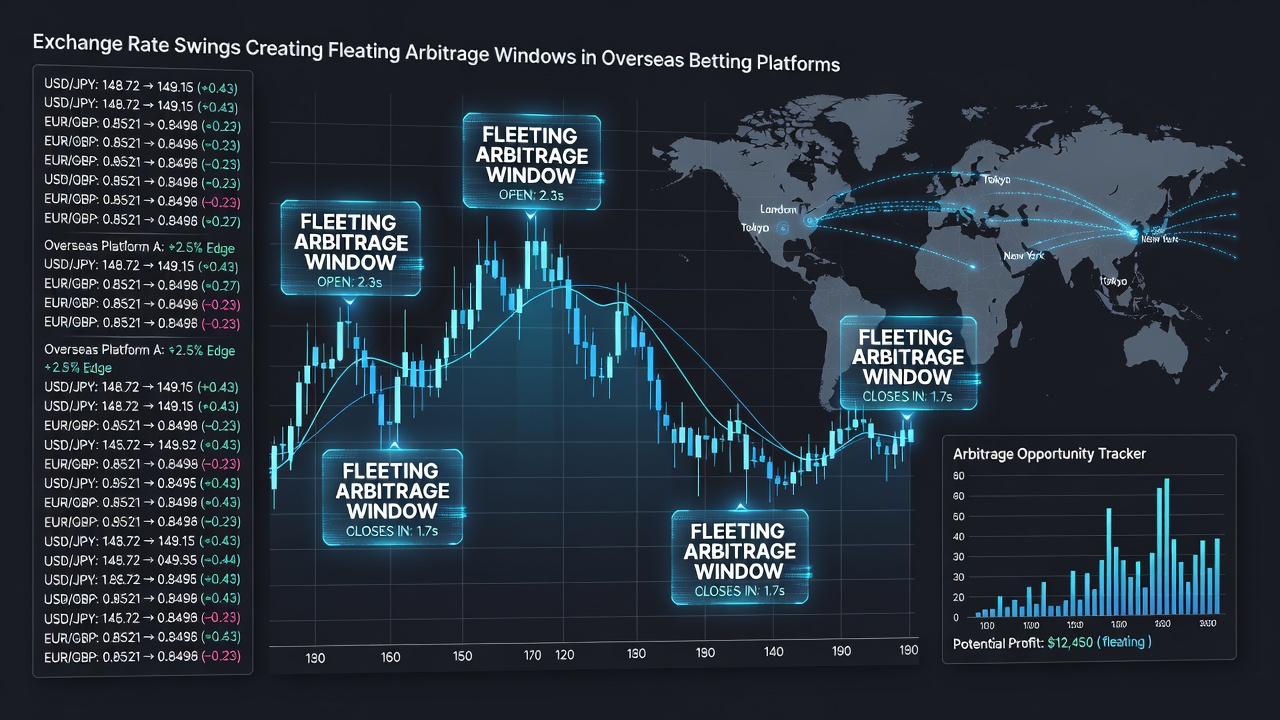
Bookmakers operating in separate jurisdictions price events using local currencies, and when major pairs such as the euro against the Australian dollar experience rapid swings, the converted odds diverge until each operator recalibrates. Data from the European Central Bank shows that intraday volatility in these pairs reached levels exceeding 1.2 percent during several sessions in early July 2026, and researchers at the University of Melbourne documented corresponding spikes in odds mismatches across European and Asian platforms during those same periods. Those who've tracked these patterns explain that the lag between a rate change and an operator's response leaves a temporary gap that automated scanners can flag before manual or algorithmic corrections take effect.
Tools That Capture These Windows
Specialized software monitors live odds from multiple sites while converting them into a single reference currency at real-time rates, and users receive alerts when the implied probability from one platform differs enough from another to produce a locked profit after fees. Studies conducted by the Australian Gambling Research Centre indicate that platforms using slower update cycles become targets more frequently during high-volatility sessions, whereas faster operators reduce exposure by pulling feeds from aggregated data providers. People who deploy these tools often combine them with historical volatility records so they can anticipate which currency pairs are likely to generate the next set of fleeting differences.
One case involved a tennis match where odds on an Australian site priced in AUD diverged from a European platform after the AUD weakened sharply against the euro, and the converted line created a narrow window before both sides aligned. Similar situations have appeared in football and basketball markets when overnight rate changes hit during low-liquidity periods, and the resulting gaps lasted between ninety seconds and four minutes according to logs shared by scanner operators.
Regulatory and Operational Factors at Play
Operators must comply with local rules on margin and tax structures, which means they cannot always mirror price movements instantly without risking regulatory breaches or internal risk limits. Figures released by the Canadian Gaming Association in mid-2026 revealed that cross-border betting volumes increased 14 percent year-over-year, and analysts attributed part of that growth to participants seeking these temporary rate-driven edges. Yet the same report noted that platforms have begun integrating live forex feeds directly into their pricing engines to shrink the duration of such windows, and early adopters have already cut average exposure times by roughly thirty seconds.
Those monitoring the space point out that certain currency pairs tied to emerging markets produce wider gaps because liquidity remains thinner and updates occur less frequently. During July 2026 sessions, the Brazilian real and South African rand showed repeated spikes that coincided with noticeable odds drifts on platforms accepting bets from those regions, and the resulting differences attracted attention from users equipped with conversion calculators. The reality is that these opportunities depend on continued fragmentation of pricing systems rather than any single market inefficiency.
Limitations and Practical Considerations
Transaction costs, withdrawal delays, and account verification requirements can erode or eliminate the narrow margins these windows offer, and observers note that platforms sometimes apply dynamic currency conversion fees that further compress potential returns. Research published by the National Council on Problem Gambling in the United States highlights that participants using automated tools must still account for settlement times across different banking rails, which can extend beyond the life of the arbitrage opportunity itself. Data indicates that successful capture rates drop when multiple users target the same mismatch simultaneously, because bookmakers react faster once volume appears on the mismatched side.
Additional constraints arise from bonus wagering rules and maximum stake limits that vary by jurisdiction, and these restrictions prevent some calculated positions from being placed at full size. Those who've examined transaction logs report that the most reliable windows occur when rate movements coincide with low-attention periods such as early morning hours in major markets, and the resulting quiet allows the discrepancy to persist longer before correction.
Conclusion
Exchange rate swings continue to generate short-lived arbitrage chances across overseas platforms because pricing systems update at different speeds and operators face distinct regulatory environments. Evidence from multiple research bodies shows these windows narrow as more participants adopt real-time forex integration, yet the underlying mechanism persists whenever currency pairs experience volatility. Participants who combine live scanners with accurate conversion tools can identify the gaps, although operational frictions limit consistent capture. The pattern remains tied to market structure rather than any permanent inefficiency, and future developments in automated pricing will determine how long such opportunities remain available.