Desert Nights and Shifting Lines: Scanners Spotting Live Arbitrage in Middle Eastern Football Fixtures
Written by Iris Beck · Aug 20, 2026

Desert Nights and Shifting Lines: Scanners Spotting Live Arbitrage in Middle Eastern Football Fixtures
Football leagues across the Middle East generate substantial betting volume each season, with matches in the Saudi Pro League, UAE Pro League, and Qatar Stars League drawing attention from international operators and bettors alike. Live arbitrage opportunities emerge when odds diverge between bookmakers during these fixtures, and specialized scanners track those shifts in real time to identify potential edges before lines realign.
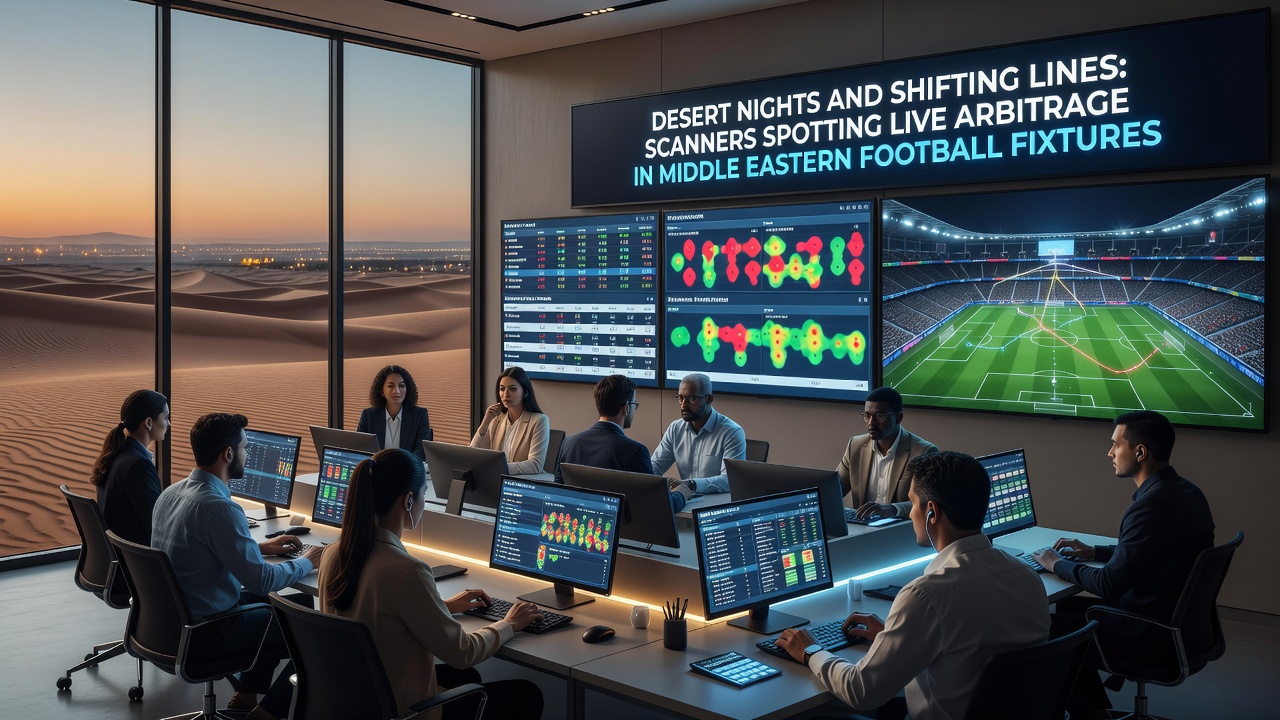
Scanners pull data feeds from multiple platforms simultaneously, comparing decimal, fractional, and American formats as events unfold on the pitch. In desert stadiums where evening kickoffs coincide with peak global betting hours, rapid goal swings or red card incidents often trigger immediate line movements that create temporary mismatches. Observers note that such volatility tends to appear more frequently in leagues with high player turnover and variable officiating standards.
How Live Scanners Operate in Regional Markets
Software tools aggregate prices from both regulated European operators and offshore platforms that cover Middle Eastern fixtures, flagging instances where combined stakes across opposing outcomes exceed 100 percent implied probability. Data shows these windows typically last between 30 seconds and three minutes during high-action periods, after which bookmakers adjust to close the gap. Researchers at institutions studying sports wagering have documented similar patterns in other emerging markets where liquidity remains fragmented.
August 2026 schedules place several key derbies under floodlights, when temperature drops allow for later starts that align with European evening audiences. Scanners registered elevated activity during these windows, particularly around set-piece situations and injury-time decisions where odds can drift across books before stabilizing. Operators in Asia and Australia have reported comparable live discrepancies in parallel time zones, suggesting broader market dynamics at play.
Key Leagues and Fixture Characteristics
The Saudi Pro League features teams with substantial transfer spending that attracts heavy pre-match and in-play wagering, while UAE and Qatari competitions often see pronounced line shifts after early goals due to lower overall liquidity. Scanners highlight arbitrage when one bookmaker prices an underdog at longer odds than competitors following a defensive lapse, allowing coordinated stakes to lock in returns regardless of final outcome. Figures from industry reports indicate that such opportunities cluster around matches involving promoted sides or those with recent managerial changes.
Cross-border bettors frequently combine stakes on Asian handicap lines with over/under totals when scanners detect inconsistencies between regional and international books. And while some platforms restrict accounts exhibiting consistent arbitrage patterns, others maintain open access provided volume stays within thresholds. Studies from academic centers focused on gambling economics have examined these interactions across multiple continents without isolating any single regulatory framework as dominant.
Technical and Regulatory Context
Scanning services rely on API connections that refresh every few seconds, filtering noise from promotional bonuses or cash-out options that distort raw probabilities. In August 2026, updates to certain Middle Eastern fixture calendars introduced additional midweek rounds, expanding the pool of available live markets and increasing scanner alerts during overlapping European windows. Government agencies in Canada and Australia have published overviews of cross-jurisdictional betting flows that include coverage of Gulf leagues, noting how time-zone differences influence participation rates.
One documented case involved a mid-season clash where an early sending-off produced divergent responses across three platforms, enabling a brief arbitrage window before all books converged on updated player counts. Those monitoring the space emphasize that success depends on low-latency connections and precise stake sizing to avoid detection algorithms. Reports from the European Gaming and Betting Association detail broader trends in live sports wagering without endorsing specific strategies.
Market Data and Scanner Performance
Analytics platforms tracking Middle Eastern football report that live arbitrage detection rates rise during international break periods when club squads rotate and odds become less stable. According to research compiled by the University of Sydney's gambling studies unit, multi-book comparisons yield higher hit rates in leagues with fewer total matches per season. Scanners integrate historical line movement data to predict when certain referee crews or stadium conditions correlate with wider spreads, though operators continue refining countermeasures.
External links to regulatory summaries from bodies such as Government of Canada financial oversight pages and Victorian Responsible Gambling Foundation reports provide regional perspectives on market integrity that occasionally reference international football coverage. These sources focus on aggregate participation statistics rather than individual tactics.
Conclusion
Scanners continue to map live arbitrage patterns across Middle Eastern football fixtures by processing simultaneous price feeds and highlighting discrepancies that resolve within minutes. August 2026 schedules have added further data points to existing records of line behavior during evening desert matches. Market participants rely on these tools to navigate shifting odds while regulatory environments evolve separately in each jurisdiction.