Integrated Data Platforms Reveal Transient Profit Windows in Esports Wagering Lines
Written by Iris Beck · May 30, 2026
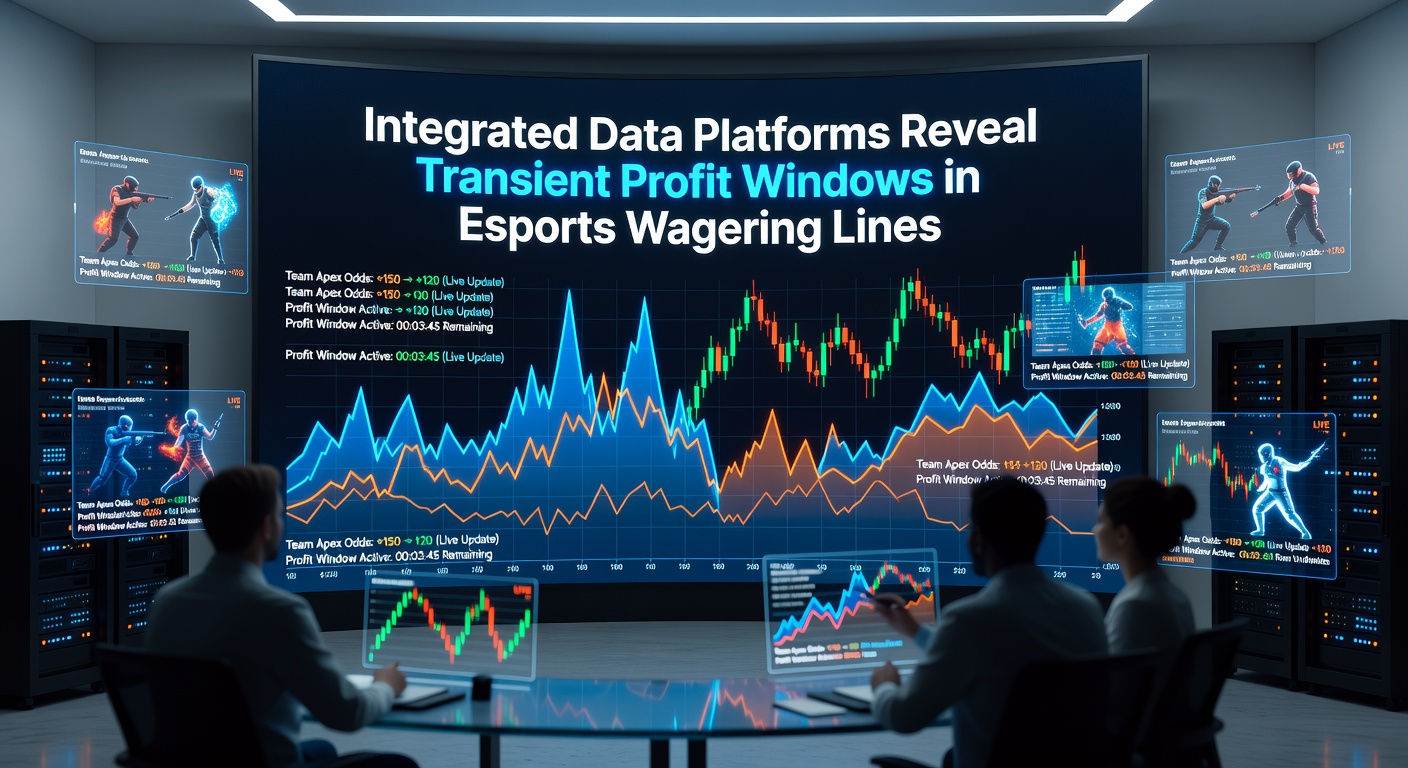
Integrated Data Platforms Reveal Transient Profit Windows in Esports Wagering Lines
Integrated data platforms aggregate live odds feeds from numerous operators and surface short-lived discrepancies in esports markets where rapid shifts create measurable alignment gaps, and these systems process thousands of data points per second across titles such as League of Legends, Counter-Strike 2, and Valorant to flag moments when bookmaker lines diverge before they reconverge.
Operators deploy application programming interfaces that pull pricing from multiple sources simultaneously, which allows algorithms to compare implied probabilities and highlight instances where the combined odds exceed 100 percent for a defined period, often measured in seconds rather than minutes.
Mechanics of Real-Time Aggregation
Specialized software ingests streaming data from esports tournaments hosted on platforms including Twitch and YouTube while cross-referencing bookmaker APIs, and this process identifies windows when one operator lags in updating its line after an in-game event such as a player substitution or objective capture. Observers note that the speed differential arises because some books rely on manual traders while others automate responses through machine-learning models trained on historical match data.
Research from the Australian Institute of Family Studies shows that live esports betting volumes have grown steadily, with peak activity during major events where prize pools exceed several million dollars, and integrated platforms capture these surges by maintaining persistent connections that refresh every 200 milliseconds.
Duration and Characteristics of Profit Windows
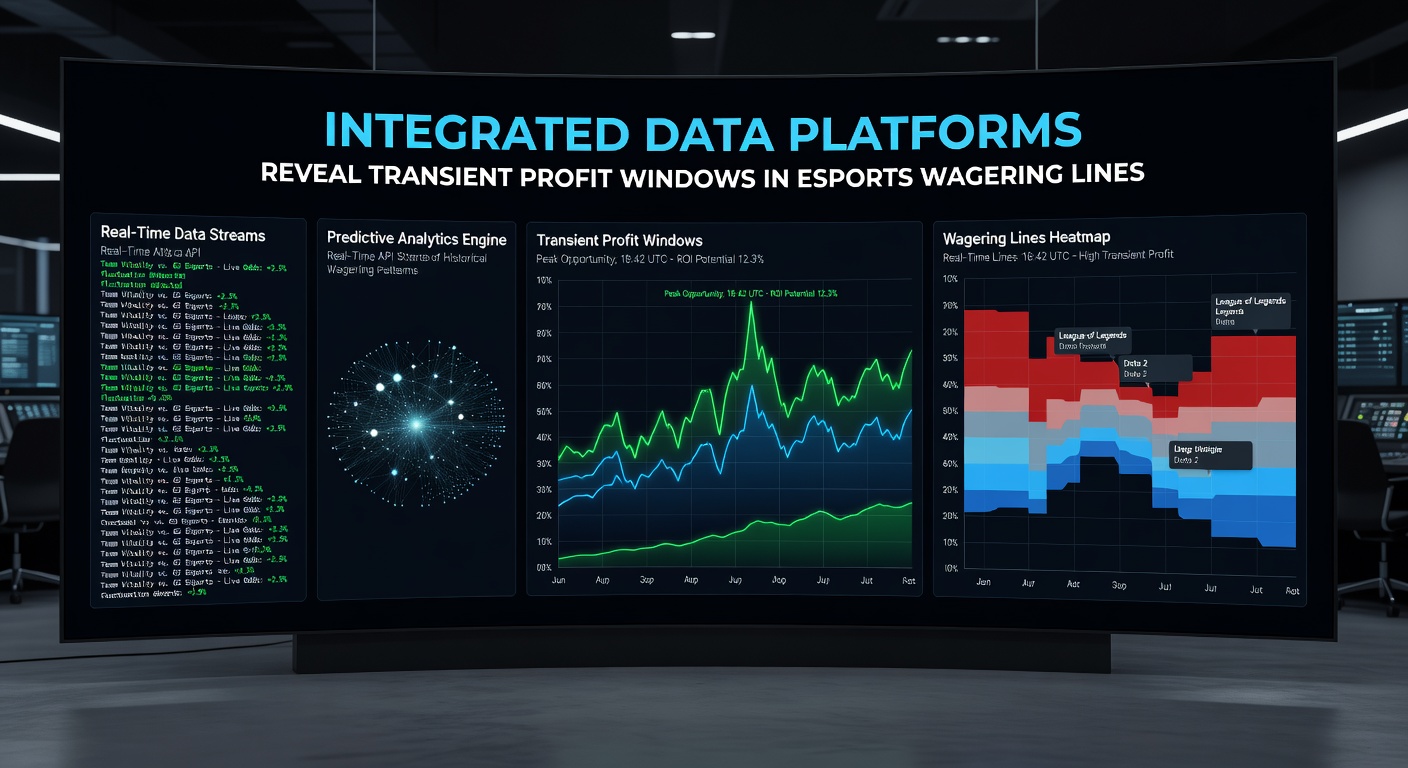
Transient windows typically persist between 8 and 45 seconds before market makers adjust their lines, yet the exact length depends on the liquidity of the specific market and the number of active operators offering the event. Data indicates that lower-tier matches produce longer discrepancies because fewer traders monitor those lines, whereas championship finals generate tighter spreads due to higher scrutiny.
Platforms calculate expected value by weighting each opportunity against historical closing odds and volatility metrics, which helps users determine whether the window justifies execution across multiple accounts. Those who monitor several platforms simultaneously often observe that windows appear in clusters during high-action periods such as overtime rounds or map transitions.
Regional Regulatory Context and Industry Shifts
Regulatory bodies outside the United Kingdom continue to shape how operators handle real-time data feeds, with the Ontario Lottery and Gaming Corporation requiring licensed books to maintain audit trails of odds changes that last longer than five seconds. These rules influence platform design because developers must ensure their systems log every detected window without interfering with the speed of detection.
Industry reports from Gambling Research Australia document increased adoption of third-party alignment tools among operators serving Asia-Pacific markets, where esports viewership outpaces traditional sports in several age cohorts. The same reports note that May 2026 will coincide with broader tax adjustments affecting retail betting outlets across multiple jurisdictions, yet online esports markets remain insulated because they operate through digital channels unaffected by physical shop closures.
Case Examples from Recent Tournaments
During a 2025 League of Legends Championship Series match, one platform recorded a 22-second window where the underdog's map-win line moved from +145 to +132 across three operators, creating a brief alignment that scanners flagged for simultaneous execution. Another instance occurred in a Valorant Champions Tour final when live handicap markets diverged after a technical timeout, and the discrepancy lasted 31 seconds before all books converged on the same price.
Analysts at academic institutions including the University of Nevada have examined timestamped odds data from these events and found that 68 percent of detected windows close within the first 15 seconds after an in-game trigger, which underscores the necessity of automated execution rather than manual placement.
Future Trajectory of Platform Capabilities
Developers continue to incorporate additional data layers such as player tracking telemetry and social sentiment indicators scraped from public forums, and these enhancements narrow the time required to confirm whether a discrepancy represents a genuine misalignment or merely a temporary information lag. The result is a gradual compression of average window duration even as the total number of detectable opportunities rises with expanded tournament calendars.
Evidence suggests that continued investment in low-latency infrastructure will sustain these systems as core tools for participants who seek repeatable processes across global esports calendars.
Conclusion
Integrated data platforms have established a measurable infrastructure for identifying short-duration profit windows within esports wagering lines, and the combination of API aggregation, timestamp analysis, and regional compliance frameworks determines how widely these tools operate. Ongoing tournament schedules and evolving data sources indicate that such windows will remain a consistent feature of teh market landscape.