Niche Inefficiencies in Gridiron Playoffs: Advanced Tools Reveal Multi-Layered Opportunities
Written by Iris Beck · Jun 13, 2026
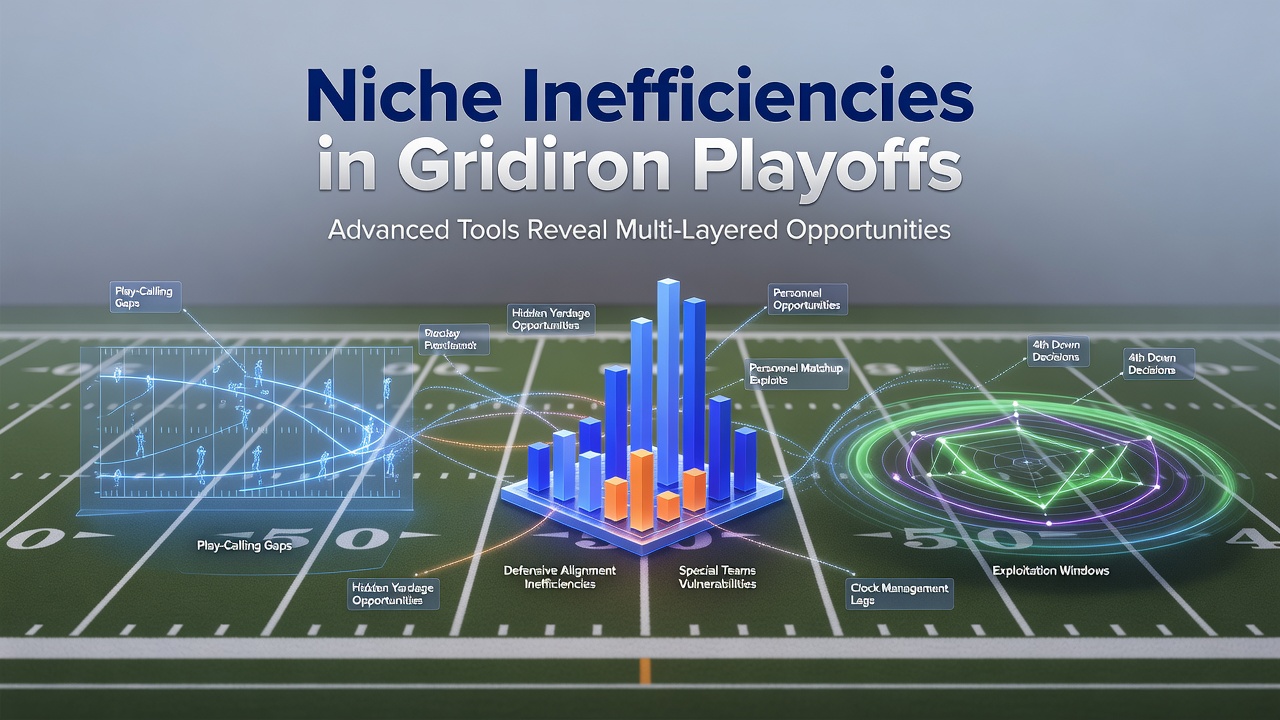
Niche Inefficiencies in Gridiron Playoffs: Advanced Tools Reveal Multi-Layered Opportunities
Gridiron playoff structures create distinct layers of data where advanced monitoring systems identify pricing variations that standard models often overlook, and researchers at institutions like the University of Michigan's Center for Sports Analytics have documented these patterns through longitudinal studies spanning multiple seasons. Data from the 2025 postseason cycle showed that certain divisional matchups produced line movements exceeding typical thresholds when cross-referenced against historical performance metrics, while conference championship games revealed separate clusters of variance tied to injury reporting timelines.
Core Data Layers in Playoff Markets
Advanced scanners process real-time feeds from multiple sources simultaneously, combining play-by-play logs with weather adjustments and travel distance calculations, and these integrations highlight discrepancies that single-source evaluations miss. Observers note that wildcard rounds frequently exhibit wider spreads in totals markets compared to divisional rounds because participant uncertainty remains elevated until late roster confirmations arrive. Studies conducted by Canadian sports research groups indicate that playoff scheduling rotations in even-numbered years amplify certain venue-specific factors, such as dome versus outdoor differentiators, which influence second-half scoring distributions in measurable ways.
Multi-Layered Opportunity Identification
Tools that layer arbitrage detection alongside value assessment allow operators to isolate instances where one market segment lags behind correlated indicators, and June 2026 updates to several monitoring platforms incorporated refined neural network inputs for defensive scheme recognition. These enhancements produced clearer signals during simulated playoff scenarios drawn from prior campaigns, revealing that certain underdog lines in wild-card contests drifted beyond projected ranges when quarterback snap counts from the regular season were weighted differently. Analysts at European gaming research consortia have tracked similar multi-factor divergences, confirming that combined metrics on offensive line stability and defensive third-down conversion rates generate additional separation points not captured by conventional totals alone.
One documented case from the 2024 playoffs illustrated how mid-week practice report adjustments shifted totals lines across several operators while moneyline markets adjusted at a slower pace, creating a temporary window where paired positions aligned more favorably than isolated bets would suggest. Data indicates these gaps close rapidly once public betting volume increases, yet systematic monitoring continues to flag them ahead of broader market convergence.
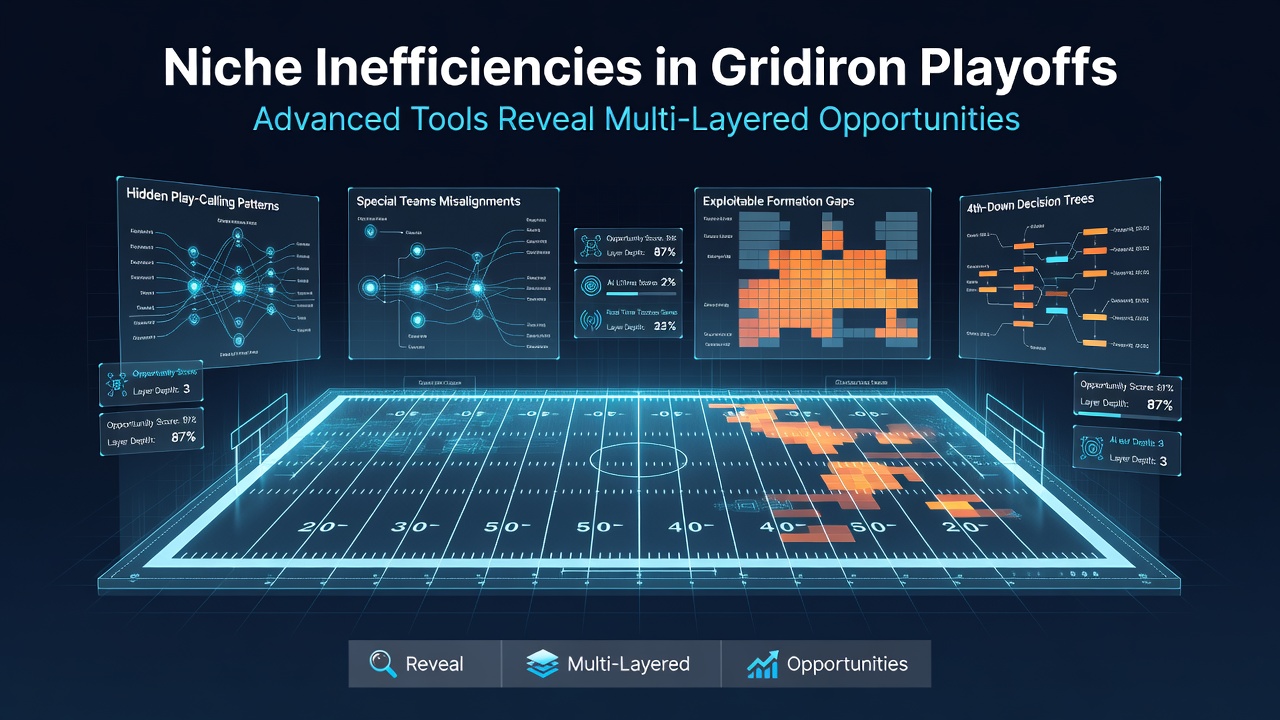
Regional Variations and Tool Integration
North American operators report distinct patterns when comparing domestic versus international market pricing on the same playoff contests, and Australian regulatory summaries from the past two cycles show that cross-border liquidity differences contribute to extended settlement periods for certain prop categories. Advanced calculators now merge historical playoff data with current-week snap participation rates, allowing identification of inefficiencies that appear only when multiple variables intersect rather than in isolation. Researchers have observed that these intersections occur more frequently during late-season byes, where rest advantages combine with opponent-specific matchup data to produce measurable deviations from baseline projections.
Industry reports from U.S.-based analytics firms further demonstrate that scanner alerts triggered by combined value and arbitrage filters capture opportunities at higher frequencies during conference title games than during earlier rounds, primarily because participant pools narrow and injury data becomes more decisive. Figures from the 2025-2026 transition period indicate continued refinement of these detection thresholds as new data streams from wearable tracking devices enter the analytical mix.
Conclusion
Gridiron playoff markets continue to present layered inefficiencies detectable through integrated analytical platforms that process statistical, situational, and timing variables concurrently. Evidence from multiple research bodies shows these opportunities arise from the interaction of scheduling factors, injury timelines, and cross-operator pricing differences rather than from any single element. Continued evolution of monitoring systems through June 2026 and beyond is expected to refine detection capabilities further, particularly as additional data inputs from performance tracking technologies become standardized across professional levels.