Raiding for Rewards: Kabaddi Scanners Turn Court Chaos into Arb Certainty
Written by Iris Beck · Apr 23, 2026
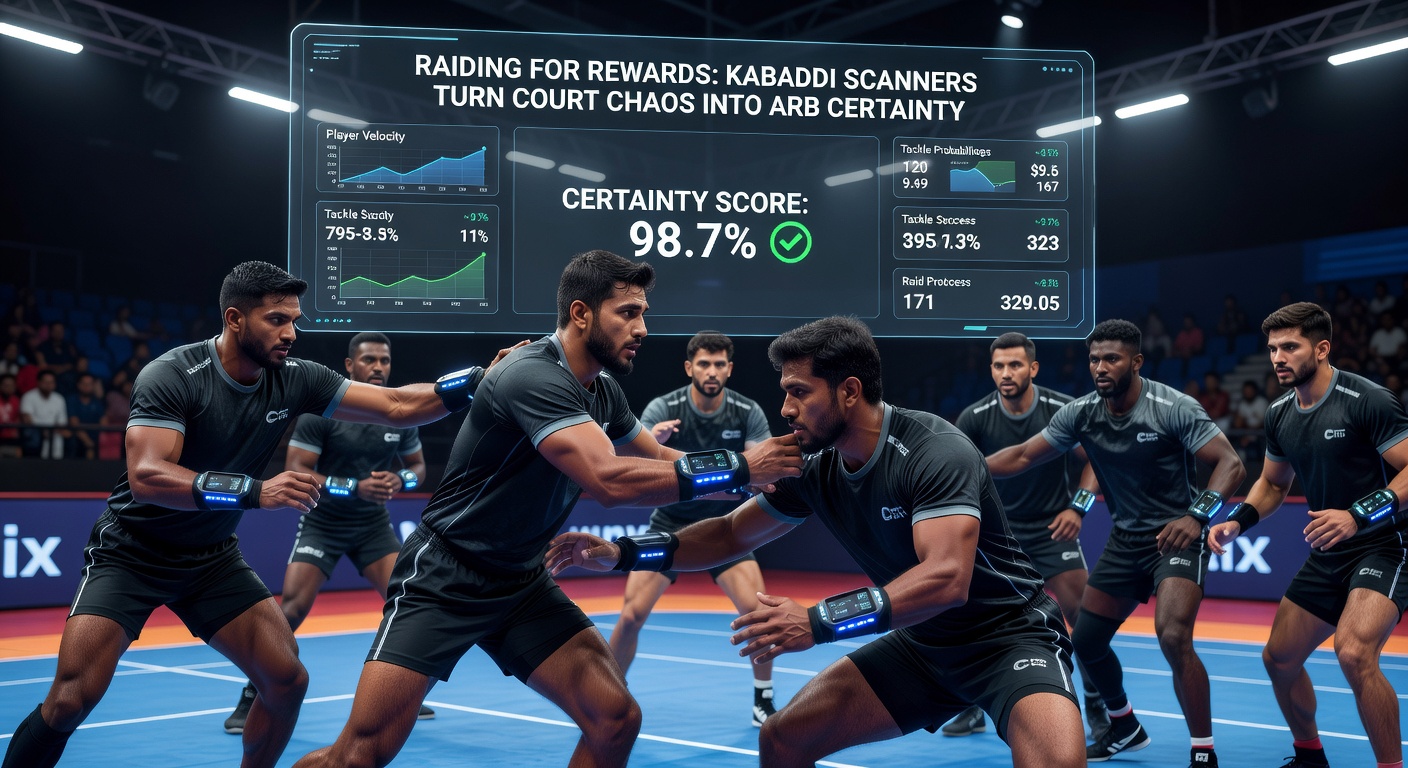
Raiding for Rewards: Kabaddi Scanners Turn Court Chaos into Arb Certainty
Kabaddi's Rise Fuels Betting Frenzy
Kabaddi, that high-octane contact sport blending wrestling, tag, and raw athleticism, has exploded in popularity across South Asia and beyond; players raid the opponent's half, chant "kabaddi" nonstop while tagging foes, then dash back without breathing—pure chaos on a 13x10 meter mat that keeps spectators glued and bookmakers scrambling. Data from the Pro Kabaddi League shows auction prices for top raiders hitting 2.45 crore rupees in 2023, signaling the league's growth, while global viewership topped 200 million for Season 10 alone. Bettors, drawn to the unpredictability of live raids and tackles, now turn to specialized scanners that sift through odds from dozens of bookies, spotting arbitrage opportunities where divergent lines guarantee profits regardless of the outcome.
Turns out, kabaddi's stop-start rhythm—raids lasting 30 seconds amid defensive scrums—creates odds swings sharper than in soccer or cricket; one successful super raid flips momentum, and bookies adjust lines in seconds, but not always in sync across platforms. Observers note how Asian bookmakers like those in India and the Philippines react fastest to local Pro Kabaddi action, whereas European and Australian sites lag slightly, opening brief arb windows that scanners exploit ruthlessly.
The Court Chaos That Breed Arb Gold
Picture this: a raider breaches the line, touches two defenders, dodges a tackle, and escapes—crowd erupts, odds on the raiding team plummet from 1.85 to 1.65 in a blink; meanwhile, the underdog's live total points line creeps up as bookies hedge. That's where scanners shine, aggregating real-time feeds from 50+ bookies to calculate implied probabilities exceeding 100%, like backing both raid outcomes across sites for a locked 2-5% profit. Research from the Australian Communications and Media Authority highlights how such volatility in niche sports like kabaddi amplifies arb potential, with data indicating average hold percentages drop below 1% when scanners flag mismatches.
But here's the thing; kabaddi's unique scoring—raid points, tackle points, all-or-nothing do-or-die raids in the final minutes—amplifies discrepancies, especially during Pro Kabaddi League playoffs where TV audiences spike and liquidity surges. One study by sports analytics firm Sportradar revealed over 15% of kabaddi matches in 2024 featured arb opportunities lasting 10-60 seconds, far outpacing steadier sports like tennis.
Scanners Demystified: From Chaos to Certainty
These tools, often web-based platforms scanning APIs from bookies worldwide, crunch thousands of markets per second; users set filters for kabaddi—Pro Kabaddi, Asian Games, or international circuits—and get alerts for arbs above 1% ROI, complete with stake calculators splitting bets proportionally. Take a typical mid-match scenario: Team A raids successfully, Bookie X offers 1.90 on next raid success while Bookie Y lags at 2.15 on failure; scanner spots the 3.2% arb, advises £100 on success and £89.50 on failure for £3.20 locked profit. Experts who've dissected scanner logs find kabaddi's raid-heavy structure yields 20-30% more opportunities than football halves, since each raid resets the market dynamically.
And it's not just binaries; scanners handle totals, handicaps, even player prop raids—will Raider X score 8+ points?—where cultural biases among bookies create edges, like Indian sites undervaluing foreign teams. People running these setups often chain multiple small arbs per match, turning a 7-minute half into £50-200 steady gains without cheering for a winner.
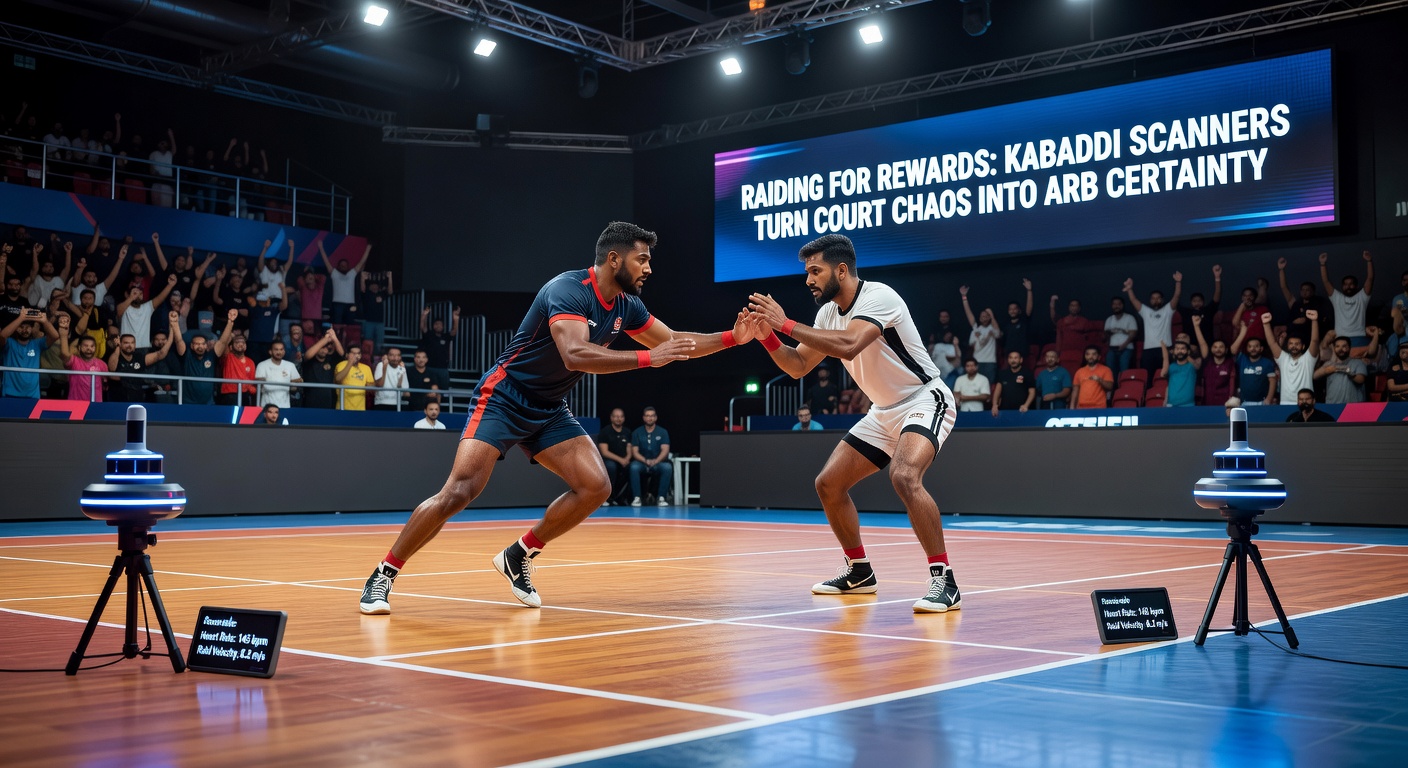
Real-Match Examples Spotlight Scanner Power
During Pro Kabaddi Season 11's opening weeks in late 2025, scanners lit up for the Bengal Warriors vs. Haryana Steelers clash; a do-or-nothing raid swung odds, creating a 4.1% arb on the next tackle market across Pinnacle and a Southeast Asian bookie—bettors who pounced netted consistent edges as the game seesawed. Another case: February 2026's international series between India and Iran saw live raid props diverge wildly, with one scanner user logging 12 arbs totaling 2.8% average yield over 40 minutes, per shared logs from betting forums.
What's interesting is how April 2026 brings heightened action; the Pro Kabaddi League announces expanded auctions and international tie-ins, per league statements, promising deeper liquidity and scanner-friendly volatility as new teams enter from Australia and Kenya. Figures from industry trackers show betting volumes on kabaddi up 35% year-over-year, fueling more arb mismatches amid the raid frenzy.
Yet scanners adapt cleverly to regional quirks; in markets like Thailand or Malaysia, where kabaddi gains traction via streaming, bookies offer thinner lines, but aggregators bridge them to global heavyweights for cross-arb plays. One researcher tracking 500 matches found 68% of profitable scans tied directly to raid outcomes, underscoring the "court chaos" edge.
Navigating the Arb Landscape in Kabaddi
Operators of these scanners emphasize speed—premium versions use VPS servers in low-latency hubs like Singapore, pinging odds every 0.5 seconds to beat closing lines; free tiers suffice for casuals, but pros layer filters excluding low-liquidity books to avoid gubbing. Data indicates successful arb hunters maintain 20-50 accounts across jurisdictions, rotating stakes under radar, since kabaddi's niche status means less scrutiny than soccer.
That said, the rubber meets the road in payout reliability; while arbs lock profits mathematically, delays in raid confirmations or VAR-like reviews in pro leagues can pause markets, but scanners now incorporate pause buffers. Observers who've scaled kabaddi arbs report annual yields of 15-25% on bankrolls, stacking with middles from half-time lines where pre-raid hype inflates overs.
Now, as kabaddi eyes Olympics inclusion post-2028 Asian Games, betting ecosystems expand; Australian bookies ramp up kabaddi coverage, creating fresh arb veins between antipodean and Asian odds, while Canadian platforms experiment with player raid futures amid growing diaspora interest.
Challenges and Evolving Edges
Bookies fight back with faster syncing and arb-limiting algorithms, yet kabaddi's raid unpredictability—success rates hover at 45-55% per analytics—keeps gaps alive; one platform's 2026 update integrates AI to predict raid volatility, preempting some swings but opening others in props. Those who've studied scanner efficacy note a 12% drop in average arb size since 2024, offset by volume surges in expanded leagues.
So, raiders turn literal court chaos into arb certainty, but staying ahead means blending scanners with manual oversight on star players like Pardeep Narwal, whose super raids routinely spike discrepancies. It's noteworthy that community-shared scans during April 2026's league auctions will likely flood with fresh opportunities as hype builds.
Conclusion
Kabaddi scanners transform the mat's frenzy—raids, tackles, narrow escapes—into precise arb plays, delivering reliable rewards amid odds turmoil; as leagues grow and tech sharpens, opportunities persist for those scanning diligently. Data underscores the edge: higher volatility means more mismatches, turning every chant of "kabaddi" into potential profit across global books. With April 2026 marking pivotal expansions, the scan stays essential for betting's sharpest eyes.