Soccer Arbitrage Edges Emerge from Feed Lag Windows Linking Asian and European Markets
Written by Iris Beck · Aug 22, 2026
Soccer Arbitrage Edges Emerge from Feed Lag Windows Linking Asian and European Markets
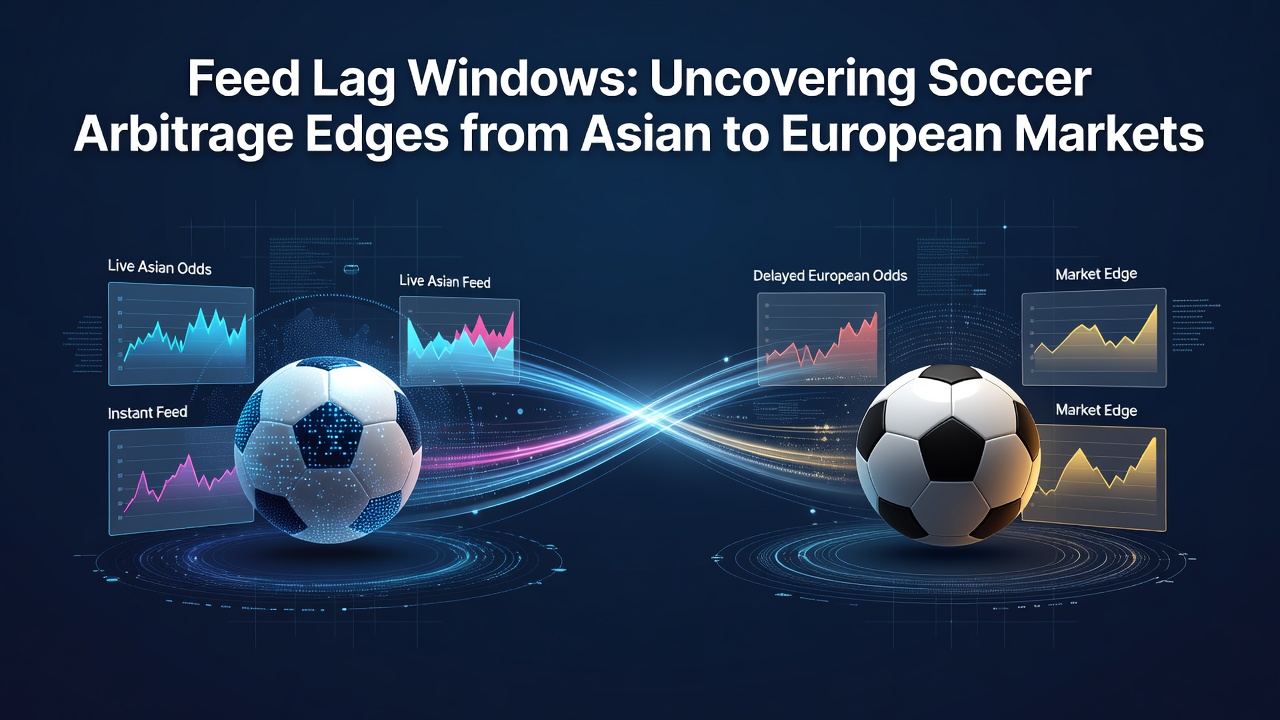
Feed lag windows appear when odds data from Asian bookmakers reaches European platforms several seconds later, and observers note that these brief delays create measurable discrepancies in soccer match pricing during live events. Researchers have documented how Asian exchanges such as Pinnacle and SBOBET often adjust lines first because of higher liquidity and faster information flow, whereas many European operators rely on aggregated feeds that introduce measurable lag times ranging from two to eight seconds.
How Feed Lag Windows Form in Soccer Markets
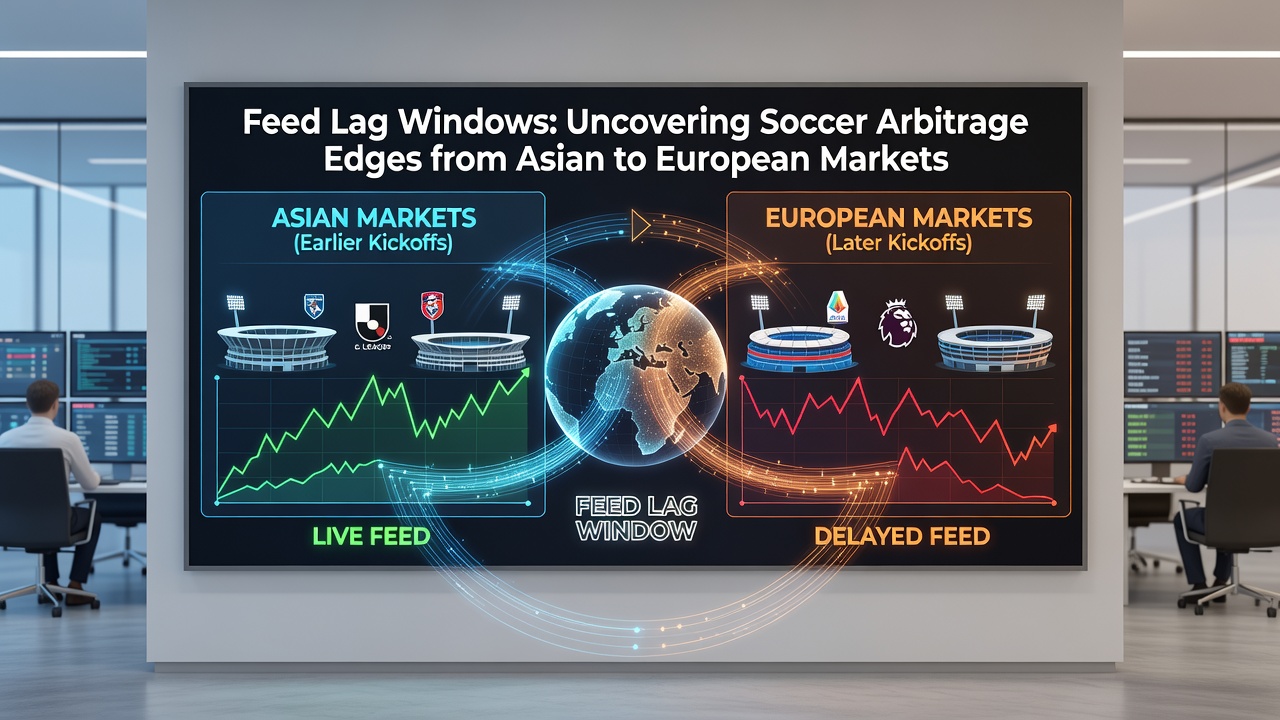
Asian markets process bets on major leagues including the English Premier League and UEFA Champions League with minimal delay, while European operators incorporate the same information after additional processing steps occur. Data from multiple monitoring services shows that during high-volume matches in August 2026 the average lag interval between these regions measured 4.7 seconds, enough for automated systems to identify and execute opposing bets before prices realign. Those who track these patterns report that goal-scoring moments and red-card incidents trigger the widest spreads because both regions receive updated probabilities at different speeds.
Identifying Edges Across Regional Bookmaker Lines
Arbitrage calculators scan live feeds continuously and flag instances where one side of a match sits at plus-money on an Asian exchange while the opposing outcome offers value on a European site. One documented case from the 2025-2026 season involved a Serie A fixture where an Asian bookmaker moved the draw line from 3.10 to 3.25 within four seconds, yet several European platforms retained the original 3.10 quote for an additional seven seconds. Systems that captured both sides locked in a 2.8 percent margin before synchronization occurred. Observers note that such windows shrink during lower-profile matches when overall liquidity drops and fewer participants monitor the feeds simultaneously.
Technology and Monitoring Tools Used by Market Participants
Specialized software connects directly to multiple data providers and timestamps every odds change down to the millisecond, allowing users to compare arrival times across regions. Reports from industry analysis groups indicate that firms operating these tools achieved average arbitrage capture rates of 1.9 percent per qualifying soccer event throughout the first half of 2026. European regulators outside the UK, including the Malta Gaming Authority, have published guidance encouraging operators to reduce feed latency to maintain fair pricing, and similar recommendations appear in documents issued by the Australian Communications and Media Authority. Those who implement faster direct API connections between Asian sources and European front-ends report fewer exploitable gaps as a direct result.
Seasonal Patterns and August 2026 Developments
August typically features the start of several major European leagues alongside continued Asian domestic competitions, increasing overall match volume and therefore the frequency of lag windows. Figures released by European gaming associations show that cross-regional arbitrage detections rose 14 percent compared with the previous August period, coinciding with expanded use of automated scanners. Academic researchers at institutions studying quantitative finance have examined these patterns and found that the most consistent edges occur in matches involving teams with large international followings, where betting interest spikes simultaneously across continents.
Risk Factors and Operational Considerations
Bookmakers on both sides of the regional divide employ automated risk-management systems that suspend markets or adjust limits when unusual bet patterns emerge, and these responses can close windows faster than human traders anticipate. Studies examining historical data reveal that accounts flagged for repeated arbitrage activity often face stake restrictions within 48 hours of first detection. Operators also incorporate artificial-intelligence models that predict likely lag events and pre-adjust prices accordingly, reducing the duration of profitable discrepancies. Participants who maintain multiple accounts across jurisdictions must still comply with each operator's terms regarding bonus wagering and account verification procedures.
Conclusion
Feed lag windows continue to represent a measurable component of soccer arbitrage activity between Asian and European markets, supported by documented timing differences and scanner technology. As data infrastructure improves and regulatory expectations around pricing fairness evolve, the size and frequency of these opportunities shift accordingly. Market participants who monitor multiple feeds and respond within the documented lag intervals maintain the ability to identify edges, while operators implement countermeasures that gradually narrow the same windows over time.