Time Zone Overlaps Highlight Odds Differences in Asian Versus European Betting Exchanges
Written by Iris Beck · Aug 25, 2026
Time Zone Overlaps Highlight Odds Differences in Asian Versus European Betting Exchanges
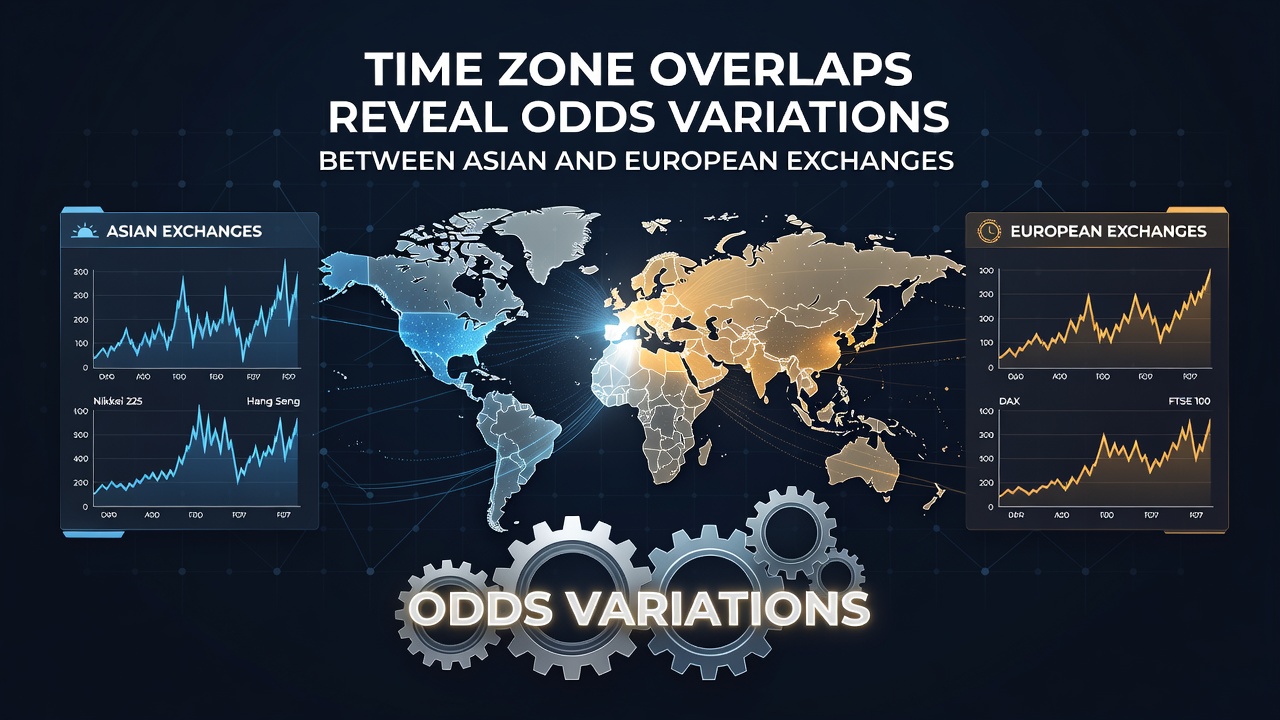
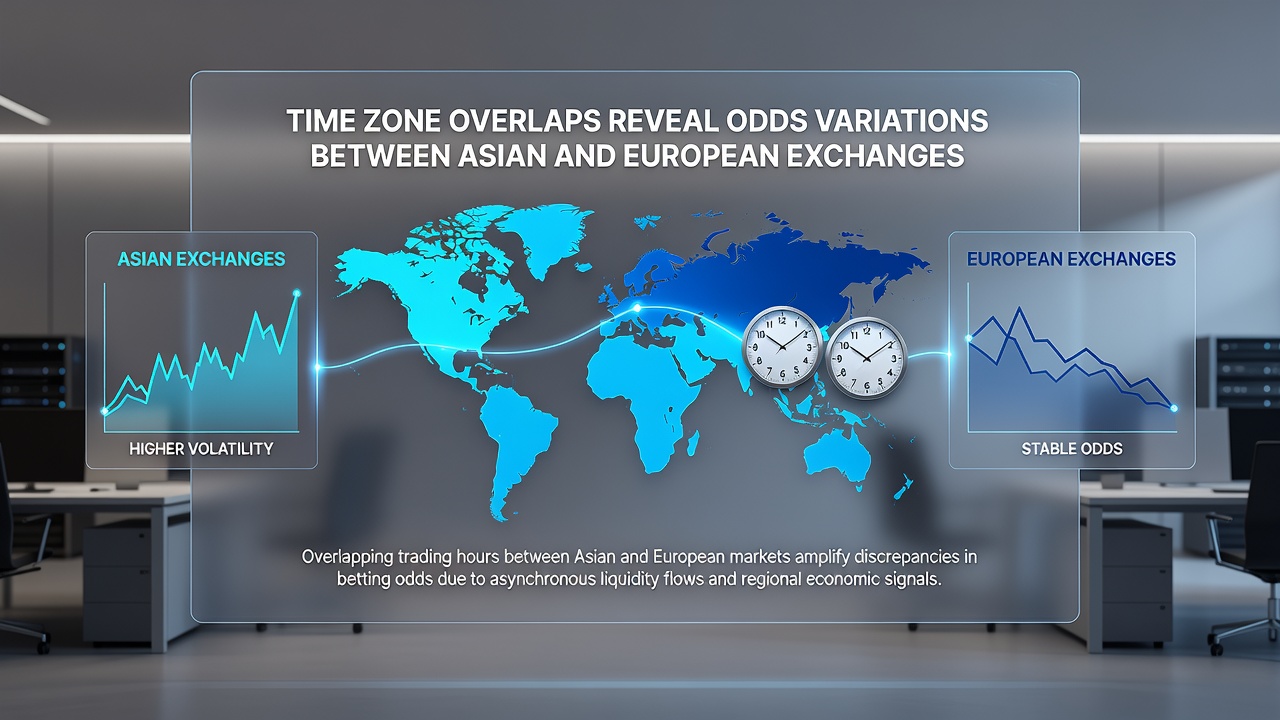
Time zone differences between Asian and European betting exchanges create measurable shifts in odds, and these patterns have drawn attention from market analysts who track liquidity flows across regions. European platforms typically see peak activity during afternoon and evening hours in local time, while Asian exchanges operate on schedules aligned with markets in Singapore, Hong Kong, and Tokyo. When these windows overlap, traders observe adjustments in line values that reflect combined order flow rather than isolated regional sentiment.
Market Hours and Liquidity Patterns
European exchanges open their primary sessions as Asian markets begin to wind down, yet several hours each day feature simultaneous trading. Data from global betting platforms indicate that these overlap periods, often spanning late morning to early afternoon UTC, coincide with increased volume on major sports events. Researchers tracking exchange data note that odds on football and tennis matches frequently tighten during these windows because participants from both regions place opposing positions at similar times.
One study released by an academic group at the University of Melbourne examined tick-by-tick records across multiple platforms and found average line movements of 0.8 to 1.2 percent during overlap windows compared with non-overlap periods. The same analysis showed that Asian exchanges tended to adjust first on certain leagues, after which European books responded within minutes. Observers point out that these sequential movements reduce the duration of visible discrepancies, although residual gaps remain visible to automated monitoring tools.
Regional Preferences and Event Timing
Betting preferences tied to local time zones further influence how odds develop. European traders allocate more volume to domestic leagues during evening hours, whereas Asian participants focus on overnight fixtures from South American and Australian competitions. When an overlap occurs, the combined interest can push totals or handicap lines away from levels seen earlier in the day. Figures released by the European Gaming and Betting Association in 2025 documented a 12 percent rise in cross-regional matched volume on tennis during summer overlap periods.
In August 2026, several major football leagues resumed schedules that placed key matches directly within prime overlap hours. Platforms reported elevated trading activity on both sides of the Eurasian corridor, and line adjustments appeared more frequently on live markets. Those monitoring the data noted that certain exchanges widened margins temporarily before realigning once volume stabilized.
Arbitrage Detection Tools and Overlap Effects
Specialized scanners used by professional bettors now incorporate time-zone filters to flag potential opportunities during overlap windows. These systems compare prices across exchanges in real time and highlight instances where the same selection trades at different implied probabilities. Industry reports indicate that the frequency of such alerts increases by roughly 25 percent when European and Asian sessions coincide, although many signals close within seconds once additional orders arrive.
Traders who operate across multiple accounts have documented cases where a line on an Asian exchange moved after European volume surged, creating brief windows for matched positions. The Australian Competition and Consumer Commission published guidance in early 2026 reminding operators that such rapid shifts must remain within regulatory limits on fair pricing. Compliance teams at several large platforms adjusted their internal monitoring thresholds accordingly.
Data Sources and Ongoing Monitoring
Academic researchers continue to collect aggregated exchange data to quantify how time-zone effects interact with other variables such as weather, team news, and macroeconomic indicators. A working paper from the London School of Economics examined 18 months of records and concluded that overlap-driven variations accounted for a measurable share of overall price volatility on popular events. The study emphasized that these movements remain predictable within statistical bounds once historical patterns are accounted for.
Regulatory bodies outside the United Kingdom have also begun requesting periodic reports on cross-border liquidity. Canadian provincial authorities and the New Zealand Department of Internal Affairs both issued data requests in 2025 that included time-stamped order books. The information helps authorities assess whether rapid odds changes during overlaps could affect consumer outcomes.
Conclusion
Time zone overlaps between Asian and European betting exchanges produce observable shifts in odds that reflect combined regional participation. Market data, academic analyses, and regulatory filings all document these patterns without attributing them to any single cause. Continued collection of timestamped trading records will allow observers to refine models that isolate the contribution of overlapping hours from other market drivers.